
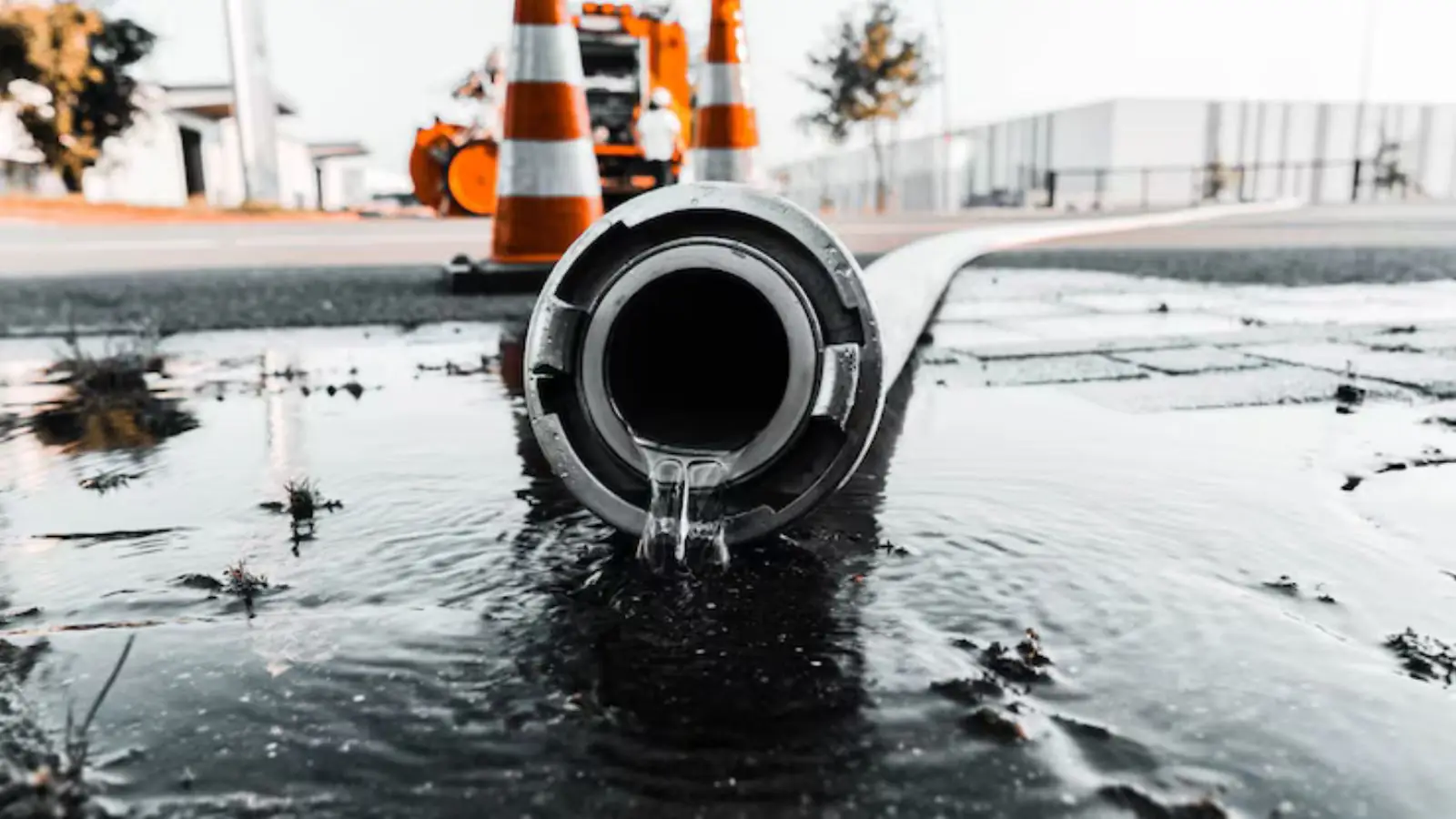
When the pump stops and water starts rising
Check whether the pump has power first, because a tripped breaker or an unplugged cord is the quickest fix. If the pit is filling and the pump is silent, stay out of any water near outlets or the panel and call 911 or your utility if you see electrical risk. Then move belongings up, lower the water in the pit with a bucket or wet vac if it is safe, and call for help if water reaches finished space.
A sump pump and its drainage are waterproofing and plumbing trades, not restoration. A plumber or waterproofing contractor fixes the pump and discharge line. A flood damage restoration crew dries and cleans what got wet.
Why sump pumps fail
Most failures come down to a short list of causes. Knowing which one you have tells you who to call.
Power outage
Storms and heavy runoff often come with outages. A plain pump with no backup stops the moment power drops.
Stuck float
The float switch tells the pump when to run. If it jams against the pit wall or debris, the pump never starts or never stops.
Clogged intake
Silt, gravel and debris block the inlet screen. The motor runs but moves little water.
Failed check valve
A bad check valve lets pumped water drain back into the pit and the pump cycles constantly until it burns out.
Overwhelmed by runoff
Even a working pump can fall behind when groundwater and melt feed the pit faster than it can empty.
Frozen or blocked discharge
If the outlet pipe is frozen or dumps water beside the foundation, it returns to the pit and the pump chases its own tail.
What to do during a failure
Work from safest to riskiest. Leave electrical decisions to the utility if there is any doubt.
Steps while water is rising
- Stay out of wet electrical areas. Do not stand in water to reach outlets or the panel. Call 911 or the utility for electrical risk.
- Check power and the float. Reset a tripped breaker or GFCI only if the area is dry. Lift the float by hand to see if the pump starts.
- Bail the pit. Use a bucket or wet vac and dump water well away from the foundation, not into the window well.
- Move belongings up. Lift boxes, electronics and furniture. Do not carry soaked items through the house.
- Photograph the water line. Take photos and video before cleanup for the claim.
- Call a crew when water reaches finished space. Carpet, drywall and wood floors need to be extracted and dried quickly.
Who to call for what
Different problems belong to different trades. This table keeps you from calling the wrong one.
| Problem | Who fixes it | Where restoration fits |
|---|---|---|
| Pump won't start, bad float, failed check valve | Plumber or waterproofing contractor | Not involved unless water spread |
| Water seeping through walls or floor | Waterproofing contractor and grading work | Dries and cleans what got wet |
| Discharge line frozen or draining at the foundation | Plumber or landscaper | Not involved unless water spread |
| Water in carpet, drywall or finished rooms | Restoration crew | Extraction, drying, moisture mapping and a scoped repair |
| Water from outside the home, such as surface flooding | Restoration crew and your flood policy if you have one | Extraction, drying and cleanup |
Restoration does not waterproof a basement. Dry it first, then ask a waterproofing contractor how to keep it dry.
Water already in the finished space?
Call (385) 988-9410, any hour. After the call, keep the power off to wet areas and move belongings to a dry spot.
A quick checklist before runoff season
Test the pump by pouring a five-gallon bucket of water into the pit. The float should rise, the pump should kick on and the pit should empty. Check that the discharge pipe is clear and ends well away from the foundation.
A battery backup, whether a second pump or an alarm, is worth asking a plumber about, because outages often arrive with storms. Clean the inlet screen, check the check valve for noise and look at the cord and outlet. If your pump is old, test it again after any big storm.
Payson's 2023 runoff and the spring pump check
Payson City's 2023 flood-preparation letter reported crews cleaning the Dry Creek Channel and Peteetneet Creek along with debris basins, and offered sandbags. The Payson Canyon SNOTEL site showed snowpack at 253 percent of normal in April 2023, and the letter said high water generally peaks mid-May to mid-June.
Every spring is different, but that peak window is when pits fill and pumps work hardest. Test your pump, clear the discharge and check your window wells before the snowmelt gets going, not after the water arrives. Sandbags and a clear channel help, but they do not replace a working pump.
Source type: Payson City flood-preparation letter and NRCS SNOTEL dataAfter water reaches finished space
Standing water is extracted first, then wet carpet and pad are pulled, and baseboards and lower drywall may be removed to dry the wall cavity. Groundwater and runoff are usually treated as Category 2 or 3 under the S500 standard, which means porous materials often go instead of drying in place. Our emergency water removal crews use extraction units, air movers and dehumidifiers, then check readings daily.
Insurance is worth a direct conversation. Sump pump overflow and water backup are often excluded unless you added an endorsement, and flood damage usually needs separate flood coverage. FEMA says NFIP policies generally take 30 days to take effect, and so does Payson City's flood letter.
Nearby towns, same melt
The same spring runoff reaches the mountain edge in Santaquin, where the city's page on 2023 runoff described record snowpack and canyon flows 3 to 4 times normal at the peak. In Spanish Fork, the state's April 21, 2023 flood report listed Spanish Fork Canyon among areas of concern. If your home sits near a creek, ask the city about your area.
Sump pump failure questions
The usual causes are a power outage, a stuck float, a clogged intake or a failed check valve. Check power first.
If the motor hums but nothing moves, the intake or impeller may be blocked.
Stay out of water near electrical items, bail the pit if it is safe, move belongings up and call a plumber for the pump. Call a restoration crew if water reaches finished areas.
Take photos before cleanup.
Often not unless you added a water backup endorsement. Check your policy.
Flood damage from surface water usually needs a separate flood policy.
Test it a few times a year and before runoff season by pouring a bucket of water into the pit.
Test again after any big storm or after the pump has been running a lot.
Payson City's 2023 flood letter said high water generally peaks mid-May to mid-June. Test and clear the pump well before then.
Ask the city about sandbag availability in a high-snow year.
No. A sump pump and drainage are plumbing and waterproofing work. A restoration crew dries and cleans after water spreads.
A plumber or waterproofing contractor handles the pump itself.
Pump failed and floors are wet?
Call (385) 988-9410. A crew lead walks you through next steps, and scope and price are explained before work starts.