
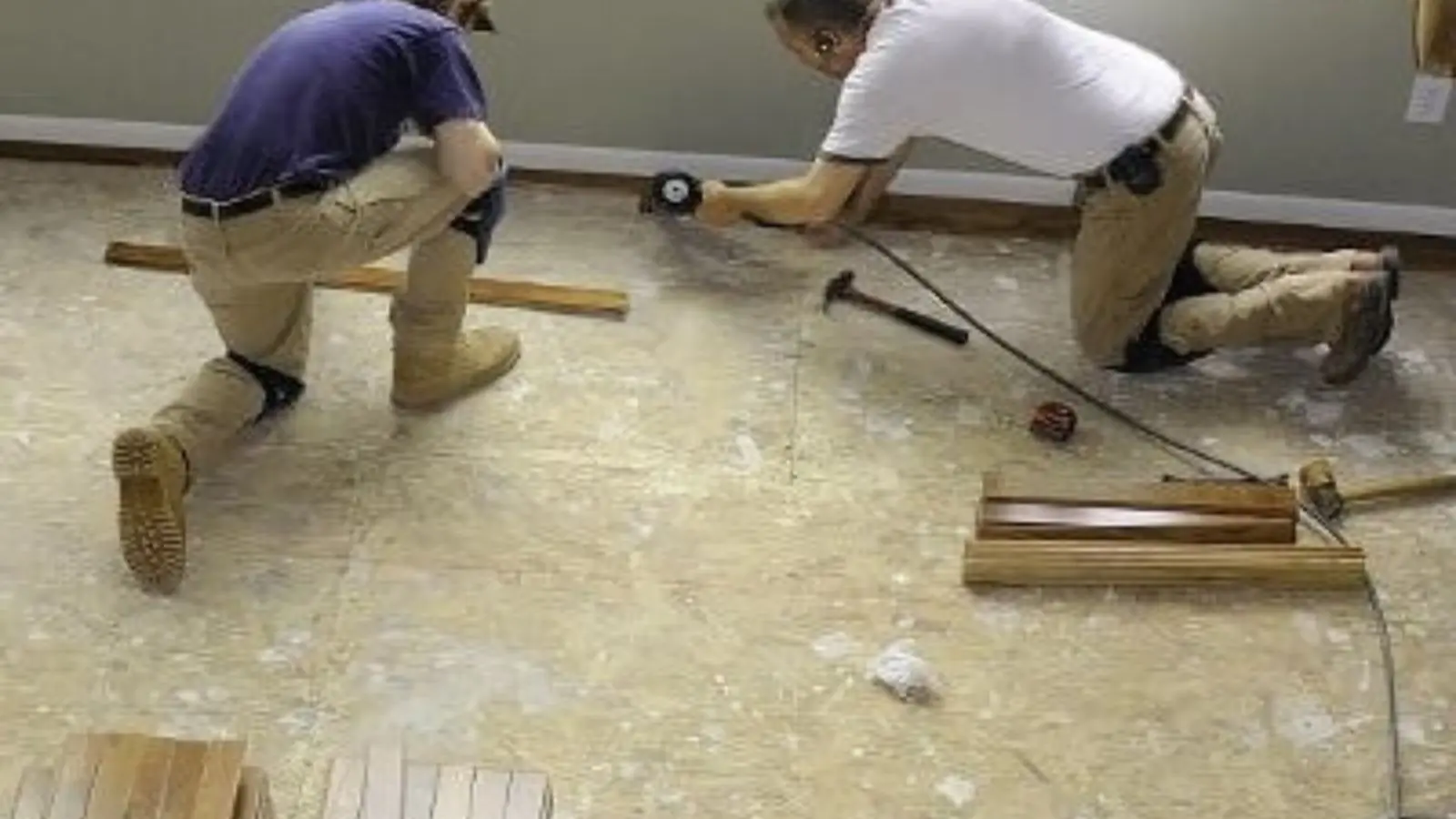
Rebuilding after the water is gone
Water damage repair in Payson, UT is the rebuild that follows drying: replacing or restoring drywall, insulation, flooring, paint, cabinets and trim so the room works and looks right again. It is a different job from mitigation, which stops the water and dries the structure, and the order matters.
If water is still coming in, call the 24/7 line at (385) 988-9410 before you plan any repair. Everything below assumes the leak is fixed and the building is dry or being dried.
Why drying has to finish before repair starts
Closing a wall over damp framing is how a one-time leak turns into a second job. Drywall, insulation and wood hold water long after the surface feels dry, and paint over a wet panel will blister. A moisture meter reading, not how the wall looks, decides when repair can begin. That reading comes from structural drying and moisture monitoring.
Before walls are closed, the exposed cavity should be checked for mold. EPA guidance says wet materials that stay wet beyond 24 to 48 hours can support growth, so any area that sat longer gets a closer look. If growth shows, mold remediation comes before new drywall.
What Payson's housing age means for your repair
Census ACS data for 2019 to 2023 puts about 36 percent of Payson homes (2,528) before 1980, about 18 percent before 1960 and about 10 percent in 1939 or earlier. In those houses a ceiling or wall repair can uncover plaster, lath, older insulation or textured finishes, so expect the scope to be confirmed once the wall is open and not guessed from the stain.
The median build year is 1994, so drywall is the likely wall material in much of the housing stock. Replacing drywall is the easy part. Matching an existing texture takes skill, so ask how the finish will be blended before you approve a patch. If your home predates 1980, ask about testing older textured ceilings and flooring adhesives before anything is sanded or torn out.
Source type: U.S. Census Bureau American Community Survey, 2019 to 2023 housing estimates for PaysonRepair or replace: a quick decision guide
Use this as a starting point. A crew lead confirms each call against moisture readings once materials are exposed.
| Damage type | Repair or replace | What to check first |
|---|---|---|
| Small stain on dry drywall | Stain-block primer and repaint, or a small patch | Is the stain growing or returning? If so, moisture is still arriving. |
| Sagging or soft ceiling drywall | Replace the affected section | Is water trapped above? Open it to release the water and check insulation. |
| Swollen or crumbling baseboard and trim | Replace | Is the wall behind it wet? Trim often hides a damp bottom plate. |
| Wet carpet pad | Replace the pad, clean or replace the carpet | Water category. Gray or black water means removal. |
| Cupped hardwood | Dry and wait, then sand or replace boards | Moisture readings in the boards and the subfloor. |
| Vinyl plank or laminate lifting at seams | Usually replace the affected area | Water under the floor and the condition of the subfloor. |
| Cabinet base or toe kick swollen | Replace swollen panels, sometimes the whole run | Water behind the cabinet and under the sink supply lines. |
| Insulation in a wet cavity | Replace | Drywall removal needed to reach it, and any signs of growth. |
Water category matters throughout. Contaminated water usually means porous materials are replaced and not cleaned.
Ceiling and wall water damage repair
A brown stain, a sag, a soft spot or a small hole forming are the usual signs a ceiling or wall has taken on water. The cause is often upstairs or outside: a toilet seal or supply line leaking from the floor above, a bathroom ceiling under a tub, a shower-corner joint where wall meets ceiling, a roof leak, or siding that let water into a kitchen wall.
Fix the source, then check moisture. A sagging ceiling is holding water in the drywall and insulation above it, so it is usually opened to release that water and dried before replacement. A soft spot means the board has lost strength and should be cut out, not painted.
A stain alone on dry drywall can often be sealed with stain-blocking primer and repainted. A stain that returns after painting means moisture is still arriving, so look for the leak again before spending on another coat.
Hardwood floor cupping after a leak or a failed line
Cupping is when board edges rise above the centers after the wood absorbs moisture from below or from the air. Washer valve breaks and HVAC condensate lines that back up are common sources, because the water spreads under the boards where nobody sees it.
Do not sand or refinish a cupped floor right away. Boards need to dry slowly with monitored readings, and many floors flatten partly or fully as they settle. If boards stay cupped, crowned or split once readings reach target, the options are sanding, spot replacement or full replacement.
Photograph the cupping and keep the readings from the start. They support your claim.
Patch, replace section or rebuild: the honest trade-offs
Most decisions come down to how far the water traveled and how long it sat.
Patch and blend
Fits a small stain or hole on sound, dry drywall. It is the least disruptive option. The trade-off is that a rushed texture match shows in raking light, and a lightly primed stain can bleed through.
Replace a panel or section
Wet or soft drywall is cut back to the nearest framing, then replaced and finished. It takes longer than a patch but gives a flat, reliable result.
Replace a full wall or ceiling plane
Often the cleaner choice when damage covers most of a surface. Finishing corner to corner hides seams and gives one texture and one paint tone. It costs more and disrupts more of the room.
Not sure what your damage needs?
Call (385) 988-9410 and describe what you see. A crew lead walks you through next steps, and scope and price are explained before work starts.
Before the walls get closed
Confirm these first
- The source is fixed. A plumber, roofer or HVAC tech has repaired the line, roof or condensate drain.
- Readings are at target. Framing, subfloor and drywall measure dry on a moisture meter.
- The cavity was inspected. Any growth was found and dealt with before insulation and drywall went back.
- Wiring and plumbing were checked. Wet outlets, boxes and fittings are looked at before they are covered.
- The scope is in writing. Materials, finish level, paint and texture matching are listed so the price means the same thing to both sides.
Permits, licences and who does the work
Ask the Building Division at Payson City Development Services whether your repair needs a permit. The answer depends on the scope and on which systems are touched, and replacing a few sheets of drywall is a different question from opening walls with wiring or plumbing in them.
You can look up a contractor on the state's DOPL licence lookup, run by Utah's Division of Professional Licensing. Ask for the scope in writing before you agree to anything.
What drives the cost of water damage repair
Repair pricing follows the work, so these factors matter most:
- Amount of material affected. A single ceiling section costs less to rebuild than a wall, floor and cabinets together.
- Material type and finish. Hardwood, custom cabinets and specialty trim cost more than standard drywall and carpet.
- Texture and paint matching. Blending into a full surface takes more labor than a spot patch.
- What is found when walls open. Older homes may reveal plaster, older insulation or hidden damage that changes the scope.
- Trades involved. Wiring, plumbing or flooring specialists add steps, and mold removal if needed is a separate scope.
Sudden and accidental damage is often covered by insurance, while gradual leaks often are not, so check your policy. Want your real number? Call (385) 988-9410.
Water damage repair questions
Repairs start after the source is fixed and moisture readings show the materials are dry. That can be days or longer, depending on the materials and the water class. Starting earlier risks trapping moisture behind new drywall or flooring.
Sometimes. If the drywall is dry and sound, a stain-blocking primer and repaint can work. If the stain keeps coming back, the board is soft or the ceiling sags, paint hides the problem and the moisture stays. Fix the source and check the board first.
Small damage on dry drywall can often be patched. Larger damage is cut back to framing, and when most of a surface is affected, replacing the full plane gives a more even finish. The trade-off is cost against appearance, and a crew lead can show you both options.
Many floors flatten partly or fully once they dry slowly to the right moisture level. Some do not and need sanding or board replacement. The decision comes after readings reach target, not before.
It depends on the cause and your policy. Sudden and accidental water damage is often covered, gradual leaks often are not, and flood or sewer backup usually need separate coverage or an endorsement. Ask your insurer, and keep photos, receipts and moisture readings.
A moisture meter reading on the drywall, framing and plate compared with a dry reference is the real test. If a wall sat wet for more than 24 to 48 hours, ask for an inspection of the cavity for mold before it is closed.
Repair help for Payson and nearby homes
Calls come from Payson and from towns around it, including Salem homes about 4 miles east-northeast. Tell the crew lead your town when you call, and describe the damage as you see it.
If a leak is still active, start with emergency water extraction. Repair comes after the water is stopped.
Ready to plan the rebuild?
Call (385) 988-9410. A crew lead walks you through next steps, and the scope and price are explained before work starts.