
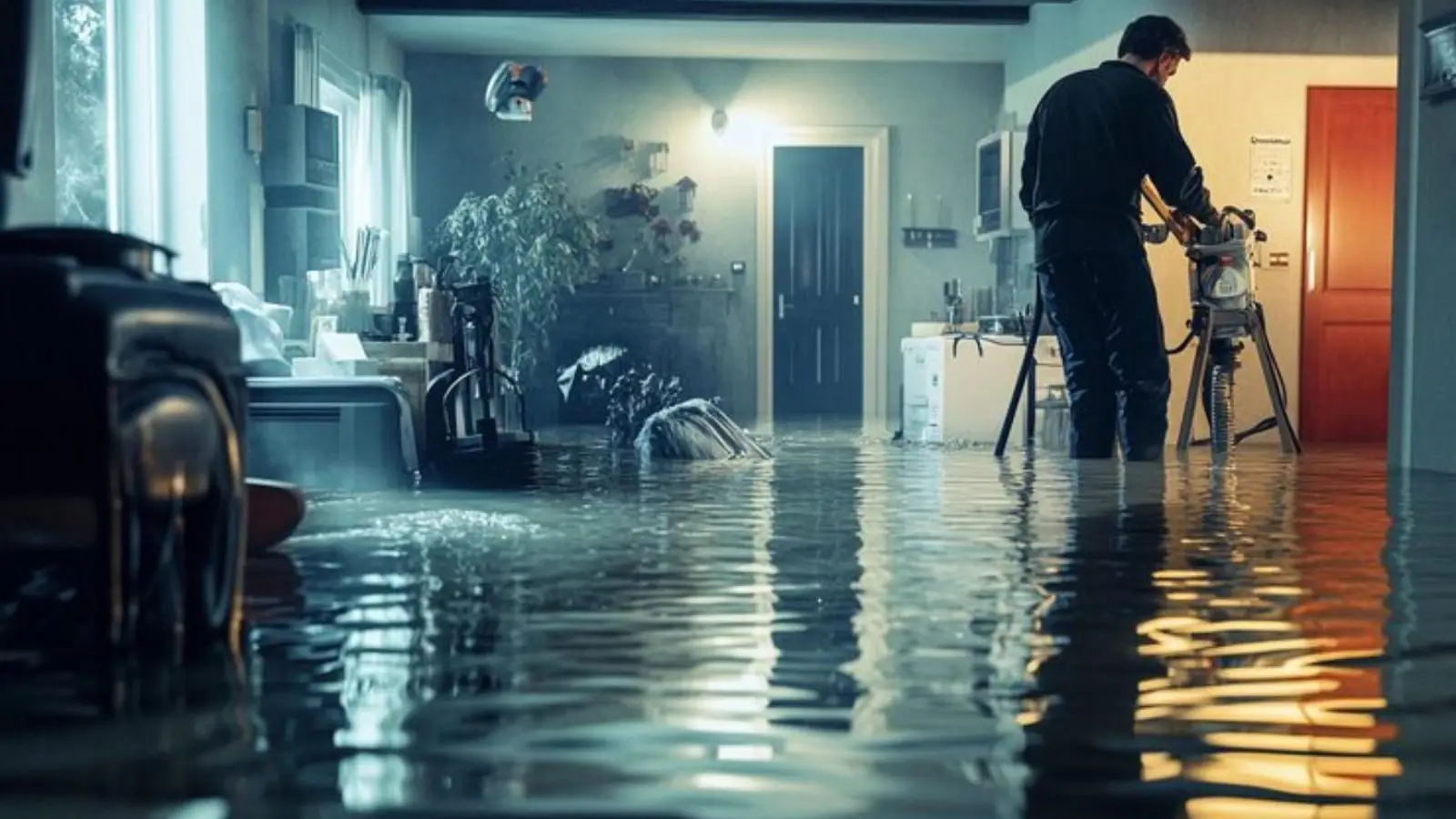
Water is spreading now: what mitigation is and what to do while you wait
Emergency water mitigation in Payson, UT is the work that keeps a water loss from growing: stopping the source, pulling out standing water, and setting up equipment to dry the structure before materials fail. Calls are answered 24/7, and a same-day response is available when crews are free.
While you wait, shut off the main water valve if the source is a supply line. Switch off power to wet areas only if you can reach the panel without stepping in water. Lift valuables off the floor and keep people and pets out of any water that may be contaminated.
My carpet is soaked and the wall feels damp: what now?
A soaked carpet and a damp wall usually mean the water has gone farther than you can see. It wicks up drywall, runs under baseboards and settles into the pad and subfloor, where towels and a box fan will not reach it. The trade built for this is water mitigation: extraction, moisture mapping and structural drying, started early and monitored until the readings come down.
Mitigation is not rebuilding. It saves what can be dried and finds what cannot. If water is still moving, call (385) 988-9410 and describe what you see.
Electrical and gas come before everything else
Stay out of standing water near outlets, panels and appliances. If you smell gas, see sparks or find a wet electrical panel, leave the area and call 911 or the utility before calling us. Never run a household vacuum on water.
The first 72 hours, step by step
What the crew does
- Stop the source. A burst supply line, failed washer hose or leaking water heater is shut off at the nearest valve or the main. A plumber may be needed for the permanent fix.
- Extract standing water. Portable and truck-mounted extraction units pull water out of carpet, pad and hard floors.
- Map the moisture. Moisture meters and thermal imaging cameras show where water went behind walls, under cabinets and across floors. The readings become a map and a starting baseline for the log.
- Remove what cannot dry. Saturated pad, wet insulation and swollen baseboard are often cut out so the structure can dry.
- Set up the drying equipment. Air movers and dehumidifiers go in to a plan based on room size, materials and water class, not by guess.
- Monitor until the readings reach goal. The crew returns to read meters, record numbers and adjust equipment until materials are dry.
Standing water comes out first, and the emergency water extraction service page covers that stage in more detail.
Structural drying
Structural drying is the controlled removal of moisture from framing, subfloor, drywall and concrete once the visible water is gone. Air movers push dry air across wet surfaces. Dehumidifiers pull moisture out of the air so it cannot settle back into the materials. LGR (low grain refrigerant) units handle most house conditions, and desiccant dehumidifiers are used where air is cold or materials release water slowly.
Moisture meters give a reading for each material, and thermal imaging cameras help locate wet areas behind surfaces. Neither replaces the other. Readings are taken at the start and on every monitoring visit, then compared with drying goals set by reference to ANSI/IICRC S500, the published Standard for Professional Water Damage Restoration.
Drying time depends on the materials, the water class and how much water got in, so no honest company can name a number of days before seeing the loss. Equipment comes out when readings reach the goal, not when a calendar says so.
Water classes and categories: what they mean and what is done
| S500 class | What it means | What is usually done |
|---|---|---|
| Class 1 | Least water. Part of a room, with low-absorbing materials. | Targeted extraction if needed, a few air movers, a dehumidifier and monitoring. |
| Class 2 | Whole room affected. Carpet and pad wet, water wicked up the walls. | Extraction, pad removal, air movers, dehumidification and wall cavity checks. |
| Class 3 | Water came from above. Ceiling, walls, insulation and floor are saturated. | Wet ceiling drywall and insulation come out, more airflow is added and thermal imaging guides the work. |
| Class 4 | Deep saturation in hardwood, plaster, concrete or subfloor. | Specialty low-humidity drying, often with desiccant equipment and longer monitoring. |
The standard also labels the water itself as category 1 (clean), 2 (gray) or 3 (black). Category 2 and 3 water usually means affected porous materials are removed, not dried.
Describe what you see and get a plan
Call (385) 988-9410, 24/7. A crew lead walks you through next steps, and the scope and price are explained before work starts.
Older plumbing and irrigation season in Payson
Census ACS data for 2019 to 2023 shows about 36 percent of Payson homes were built before 1980. Original supply lines, aging shut-off valves and older water heaters are common in those houses, so find your main valve now and turn it once to confirm it moves. A stuck valve costs minutes you will not have during a leak.
Payson also has a separate pressurized irrigation system that runs roughly spring to fall. If water traces back to a yard line, tell the crew, since the repair and claim notes depend on the source.
Source type: Census Bureau American Community Survey housing estimates and Payson City Public Works informationDocumenting the loss for your insurance claim
Sudden and accidental water damage is often covered, while gradual leaks and neglect often are not, so check your policy and ask your insurer what applies. The Utah Insurance Department's consumer guidance advises documenting damage with photos, keeping a call log and keeping receipts for temporary repairs.
During mitigation the crew records what a claim file usually needs: photos of affected areas, moisture readings by room and date, equipment placed and removed, and itemized notes on the scope of work. Flood damage is usually excluded and needs separate flood coverage, and sewer or drain backup often needs an endorsement.
What drives the cost of water mitigation
No two losses dry the same way. These factors move the total most:
- Water category. Clean, gray and black water (categories 1, 2 and 3) call for different handling and disposal.
- Area affected. More rooms and more wet surface mean more extraction and more equipment.
- Materials involved. Carpet, hardwood, plaster and concrete dry differently.
- Drying days and equipment. The number of air movers and dehumidifiers, and how many monitoring visits it takes to reach goal.
- Rebuild scope. Materials removed during drying have to be replaced afterward, which is a separate phase of work.
Insurance may help with sudden and accidental losses, so check your policy. Want your real number? Call (385) 988-9410.
Water mitigation questions from Payson homeowners
Yes. Calls are answered 24/7, including nights, weekends and holidays, and a same-day response is available when crews are free. Describe what you see, and a crew lead walks you through next steps. No arrival time is promised over the phone, but you get a straight answer on availability.
Check the water heater, washer hoses, toilet supply lines, under sinks and the ceiling below any upstairs bathroom. If you find nothing, shut off the main valve and call, since moisture meters and thermal imaging can trace a source behind a wall.
Rental equipment does the same basic job: air movers push air across wet surfaces and dehumidifiers pull moisture from the air. This company does not offer equipment rental. The harder part is knowing how many units a room needs and whether the wall cavities are actually drying.
Without a moisture meter and regular readings, it is easy to stop too early and leave damp framing behind. EPA guidance says wet materials should be dried within 24 to 48 hours, which is why professional monitoring matters.
It depends on the water class, the materials and how long water sat. Light losses on a hard floor can dry quickly, and saturated hardwood, plaster or subfloor takes longer. A crew lead explains the plan after the first readings.
Mitigation stops the water and dries the structure. Water damage repair rebuilds afterward: drywall, flooring, paint and trim.
Dispatch for Payson and the towns around it
Dispatch runs from 39 N Professional Way in Payson, and calls from nearby towns are answered the same way, whether the loss is in a home near Spanish Fork, about 7 miles northeast or on the Payson side of Utah County. Mold from an earlier leak is a separate job, see mold remediation.
Water on the floor right now?
Call (385) 988-9410. Calls are answered 24/7, and same-day response is available when crews are free.