
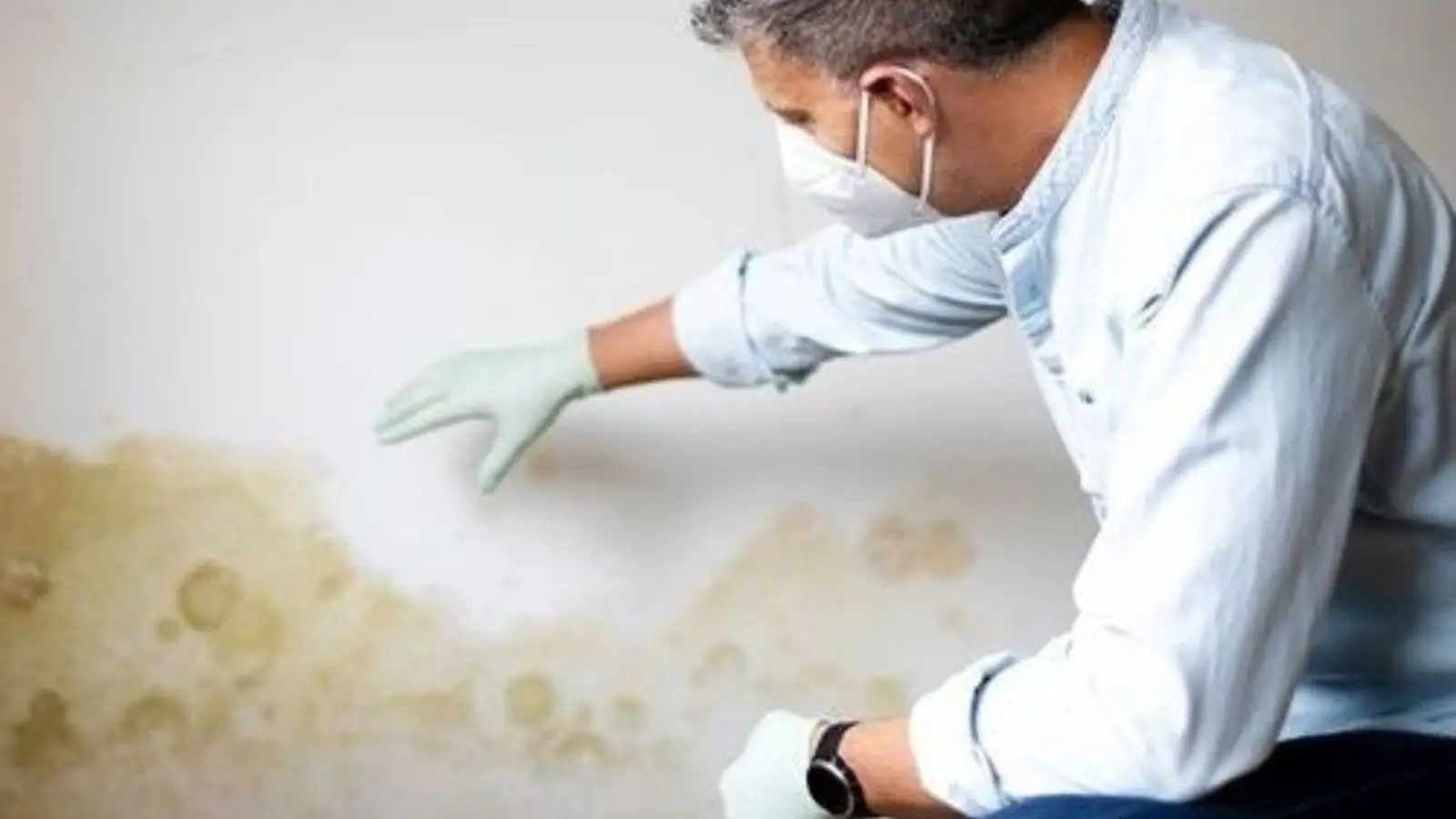
The short version: stop it, photograph it, write it down
A strong water damage claim file comes from habits in the first day. Stop the source, take photos and video before anything is moved or thrown out, start a call log, and keep every receipt. Then get drying underway, because most policies expect you to limit further damage.
Your insurer decides coverage, and no contractor can promise how a claim will turn out. What you can control is how complete and clear your records are. The rest of this page lays out how to do that without making cleanup slower.
Documentation checklist for the first day
The Utah Insurance Department's consumer guidance advises documenting damage with photos, keeping a call log and keeping receipts for temporary repairs. Here is how that looks in practice.
Keep a file with these
- Photos and video before cleanup. Walk each affected room slowly, narrating what you see. Capture the source, the water line and any ruined belongings.
- A call log. Write the date, time, name and summary of every call with your insurer or agent, starting with your first report.
- Adjuster contact and claim number. Put both on the first page of the file so you never hunt for them.
- Receipts for temporary repairs. Tarps, board-up, pump rental, plumber visits, and any meals or lodging if you must leave.
- Damaged items, kept until documented. Do not throw out damaged contents until they are photographed and listed, unless they are unsafe, such as items soaked by sewage.
- Moisture readings and drying logs. Daily numbers show where the structure started, how it dried and when it reached a normal level.
- An itemized scope of work. Room by room, what was removed, what was dried in place and what still needs rebuilding.
Photograph first, then clean
The urge to mop and haul everything to the curb is strong. Resist it for a few minutes. Insurers want to see conditions as they were, and photos taken after cleanup show an easier mess than the one you had.
Take wide shots, then close-ups with something for scale. Photograph serial numbers on appliances and electronics. Open drawers and closets. If water came from a ceiling, shoot the ceiling before it is cut open.
If safety is at stake, skip the photos. Standing water near outlets, a sagging ceiling or sewage are reasons to leave first and document later. Call 911 for electrical, gas or fire risk before calling us.
Wet floors and no time to spare?
Call (385) 988-9410 any hour. Same-day response when available, and our crew records readings as the work goes.
Ask your insurer these questions early
Call your insurer or agent soon after the loss and keep the questions simple. You are gathering information, not arguing a case.
Ask what the deductible is, how your policy treats the cause of this loss, what emergency work it expects you to do, and what proof it wants. Ask who the adjuster is and how to reach them. Ask whether it wants to see damaged items or only photos.
Write the answers in the call log, with the date. If something is unclear, ask for it in writing. Check your policy language against what you are told, and read the water-related sections twice.
What a restoration company can and cannot do
We can stop the spread of water with extraction and drying, record moisture readings, take photos and write an itemized scope of work. That gives your insurer a clear picture of what was wet, what was removed and what drying took.
We cannot decide whether your policy covers the loss, and we cannot promise approval. We do not bill insurers directly, so expect to work through the claim yourself with our documents in hand. Our water mitigation service page explains the drying side of that record, and water damage cleanup covers removal of affected materials.
A claim timeline, in order and without clock promises
Every loss moves at its own pace. This is the order of work, not a schedule.
| Stage | What you do | What to record |
|---|---|---|
| Day of loss | Stop the source, make the area safe, call your insurer, call us | Photos and video, first call details, claim number if issued |
| First days | Extract water, remove unsalvageable materials, set drying equipment | Receipts, list of removed items, initial moisture readings |
| During drying | Let equipment run, keep doors and windows as the crew directs | Daily moisture logs, equipment placement notes |
| Rebuild | Review the scope, ask your insurer about repair items, schedule repairs | Final readings, itemized repair scope, repair invoices |
Ask the Building Division at Payson City Development Services whether your repair needs a permit.
Common claim mistakes to avoid
The biggest one is waiting. Water that sits in drywall and insulation keeps spreading damage, and EPA guidance says to dry wet materials within 24 to 48 hours to prevent mold growth. If drying waits on a long scheduling window, tell your insurer why you started.
The second is discarding everything at once. The third is relying on memory: a week later you will not recall which room got wet first or what the adjuster said on Tuesday.
A fourth is signing anything you do not understand. Read carefully and ask your insurer to explain anything unclear.
Flood coverage in Payson has a waiting period
Payson City's 2023 flood-preparation letter stated that flood insurance takes 30 days from purchase to become active, which matches FEMA FloodSmart's general guidance on NFIP policies. The same letter said high water generally peaks from mid-May to mid-June.
If water comes from creek overflow or runoff and you did not carry flood coverage 30 days earlier, expect a standard homeowners policy to exclude it. Documentation still matters for any claim or assistance request, so photograph and log everything either way.
Source type: city government flood-preparation letter (Payson City, 2023) and federal flood insurance guidance (FEMA FloodSmart)Where this fits near Payson
The steps are the same whether the loss is in town or in a neighboring community. Households in Salem and Springville ask the same first questions: what happened, what do I photograph, who do I call?
If you are unsure how much of the drying is covered, remember that mitigation is time-sensitive. Ask your insurer about it right away, and start while those questions are answered.
Frequently asked questions
Do both, and do not wait on either one. Stop the source, call your insurer to report the loss, and call us so drying can start. Most policies expect reasonable steps to limit further damage, so check your policy.
Photograph and list it first. Keep small samples if your insurer asks, and discard only what is unsafe, such as sewage-soaked materials, once documented.
Not here. We provide photos, moisture readings, drying logs and an itemized scope that you can submit. Your insurer decides coverage.
It is a daily record of moisture readings and equipment in each affected area. It shows when the structure reached a normal level and supports the scope.
No. Coverage decisions belong to your insurer. Ask your insurer questions in writing where you can.
No. Payson City's 2023 flood letter says flood insurance takes 30 days from purchase to become active, and FEMA FloodSmart says NFIP policies generally take 30 days. Buying it during runoff season is likely too late for that season's event.
Ready to start a claim-ready cleanup?
Call (385) 988-9410. Calls are answered 24/7, and we explain scope and price before work starts.